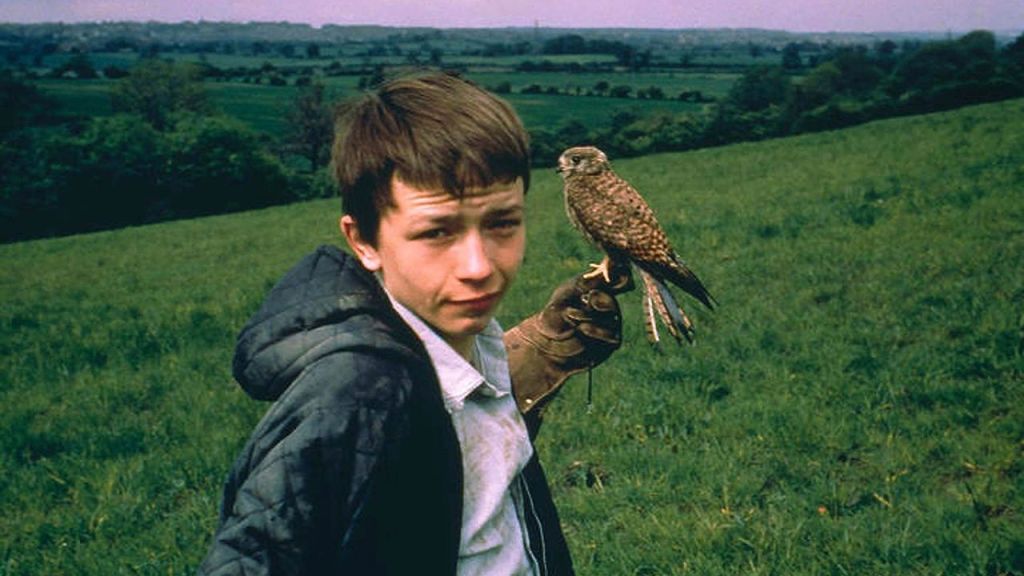
Kes (1969) is a film by director Ken Loach about a 15-year-old named Billy Casper who lives in a working-class mining town in Yorkshire. Left home alone by his single, working mother, bullied by his half-brother, written off and tormented by teachers and classmates at school, Billy has little to look forward to in a world of miserable adults as he faces a very real future of working down in the mines.
One day, Billy finds a kestrel in a nearby field and decides to try and train it. After a bit of research into falconry, Billy finds he has a real talent for the art and turns his relationship with this bird into the one bright spot in his life.
The poster for Kes says, “They beat him. They deprived him. They ridiculed him. They broke his heart. But they couldn’t break his spirit.” That really is the film in a nutshell.
This is story about perseverance in the face of overwhelming hardship. We see Billy beat down mentally and physically by just about everyone in his life, yet he keeps going. He pushes on with little help from anyone.
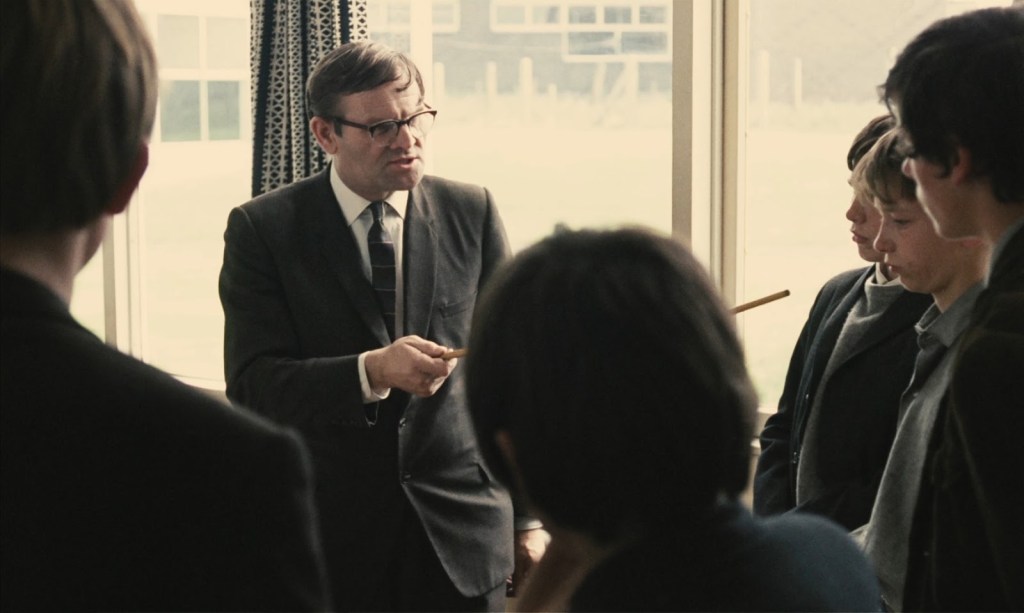
There is conflict at home. There is conflict at school. There is conflict on the streets. The one place where Billy finds some relief is when he’s working with Kes.
As Billy’s last name “Capser” likely implies, he is a ghost in many ways. His needs and pain going largely unseen. Brushed off by almost everyone. At times, it feels a bit excessive in its portrayal of human cruelty, but I think that it’s crafted this way on purpose. The film wants you to feel as helpless and alone as Billy.
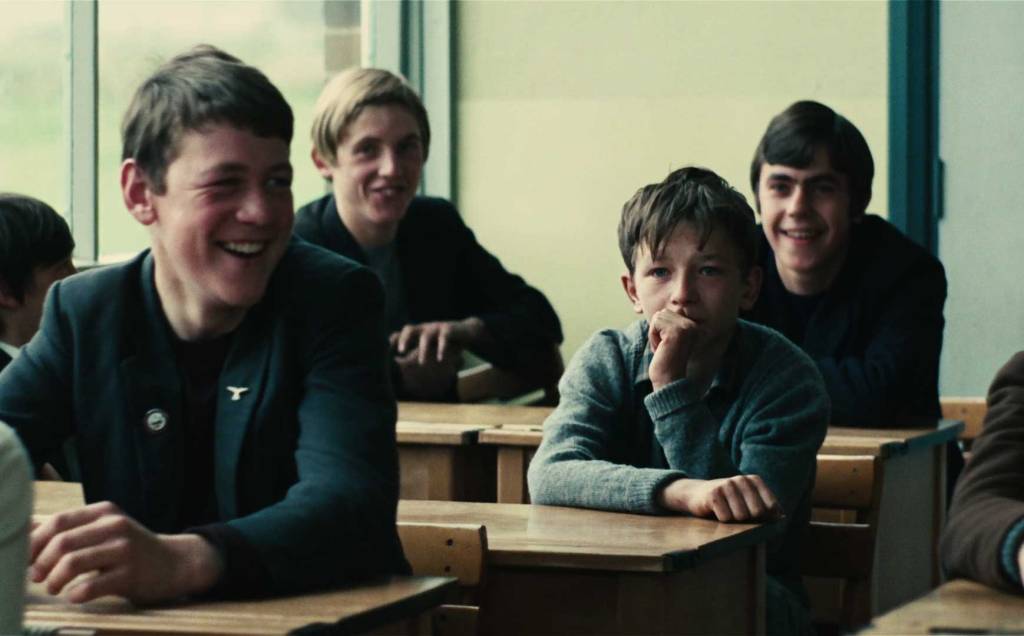
Thinking back to my own childhood in the late ’70s and early ’80s, it’s not a far cry from how I remember it. Teachers who bullied and shamed. Classmates who teased and tormented. It’s relatable in many ways.
Nobody talked about this sort of thing back then. You took the abuse and you stuffed it down. I knew many kids who had it far worse than I did and more in line with Billy’s story.
Billy’s treatment often leads him to make poor decisions. He lies at the drop of a hat. He steals a book on falconry. He steals milk off the back of a truck. He has to fend for himself because nobody else is. These are survival choices. Yet, even while others project their lives of pain on to him, Billy does his best to not hurt anyone.
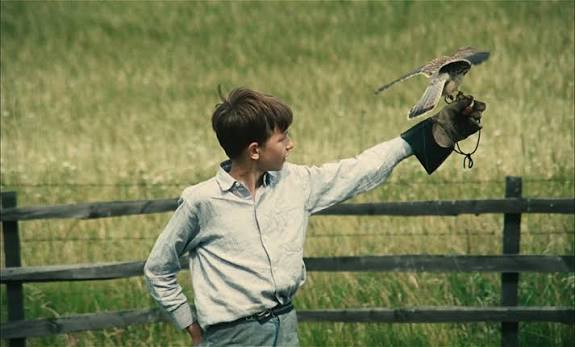
Shot in Ken Loach’s naturalistic, social realism style, with mostly non-professional actors, Kes excels at feeling more like a documentary than your typical narrative story. Everyone is so damn good. It feels real.
When I told a friend of mine that I had finally watched Kes and how it had broken me, he said, “There’s life before watching Kes and life after watching Kes.” It’s true. This isn’t going to be a film for everyone, but I guarantee its a film you won’t soon forget. I know I won’t.





Leave a Reply