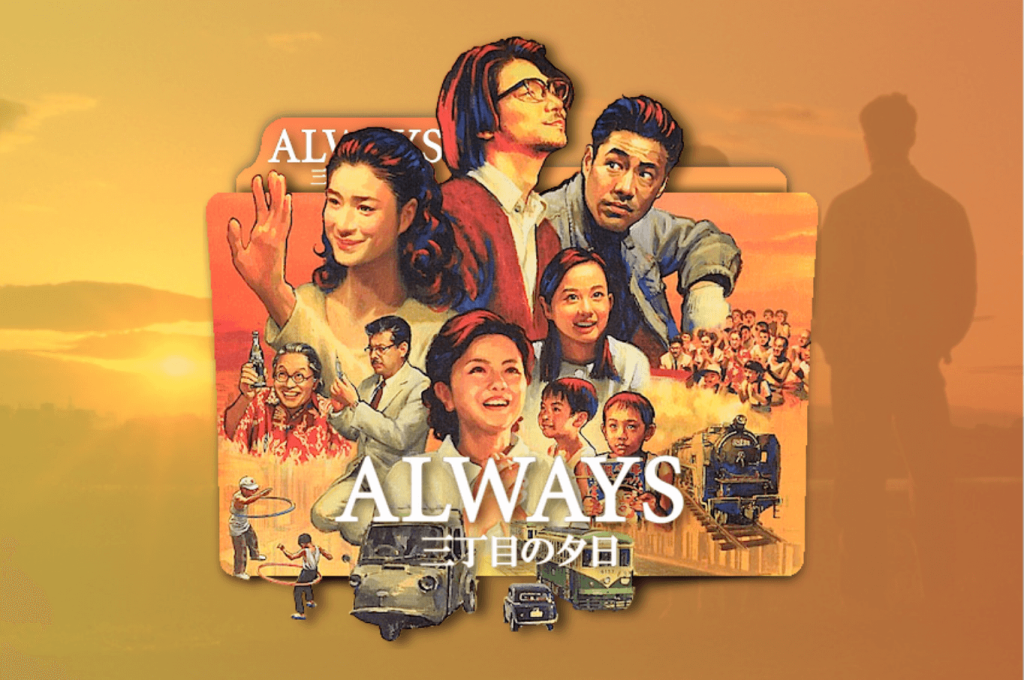
A film doesn’t have to be overly complicated to be effective, enjoyed, or worthy of admiration. Director Takashi Yamazaki‘s 2005 film “Always: Sunset on Third Street” is one of those movies for me.
Always: Sunset on Third Street” is a sweet little film that can best be described as a 50’s Japanese folk tale. The movie follows multiple characters living in the same area of Tokyo.

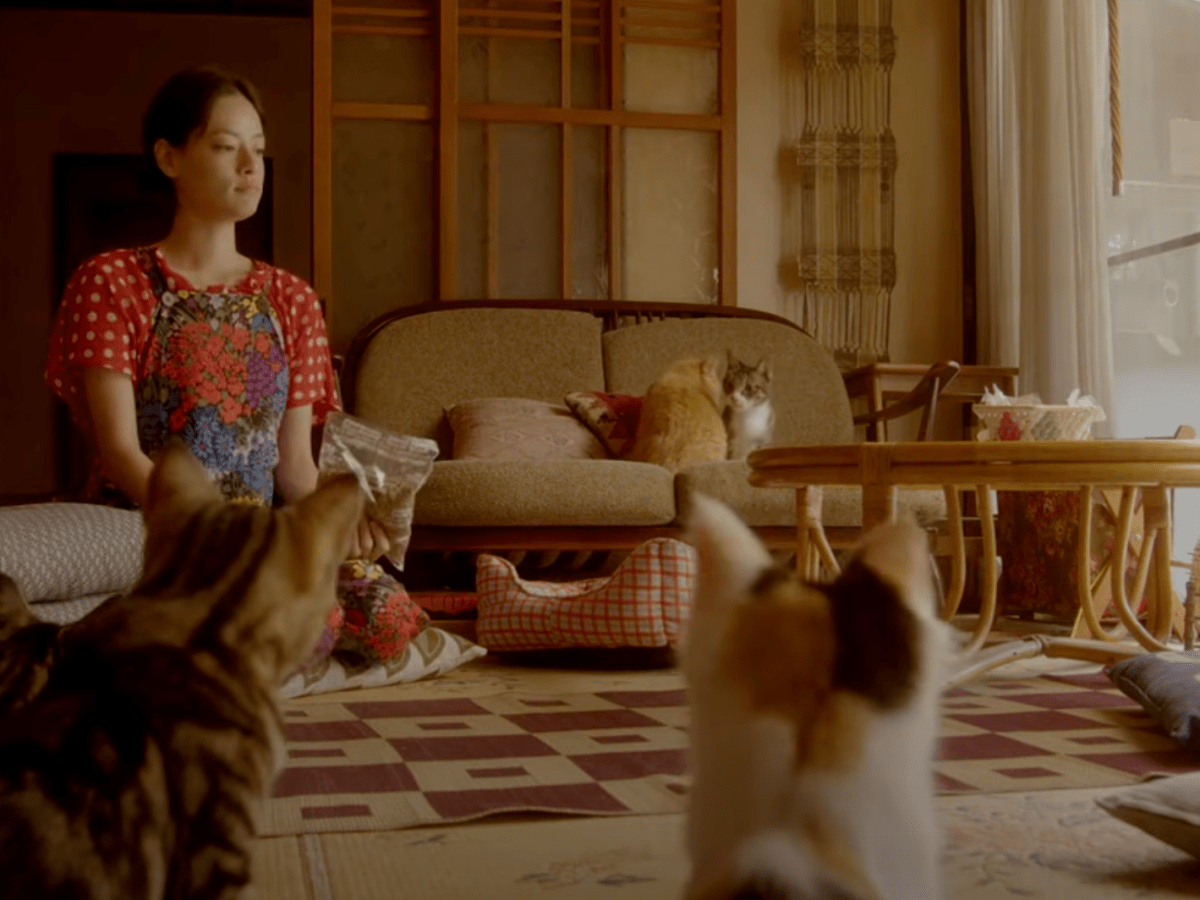
A small, family owned auto repair shop employs a young girl chasing her dreams in the big city. A struggling children’s author works to find both personal and financial success. An aging doctor looks for his place in life while grieving the loss of his wife and daughter. An ex-dancer opens a Saki bar looking to better herself. An abandoned young boy hopes to find his mother and a place to call home.

The movie sets up simple character arcs and we watch as these people learn to love, overcome their weaknesses, work together, and genuinely grow.
I came to this film through exploring the filmography of Godzilla Minus One director, Takashi Yamazaki. This film takes place in a similar time period as Godzilla Minus One and, honestly, has much of the similar production design look and feel.

This is not meant as a super serious examination of post-war Japan. There are plenty of films out there like that to watch. It’s a simple film about wishes, dreams, and desires in an era filled with the pain of recovery.
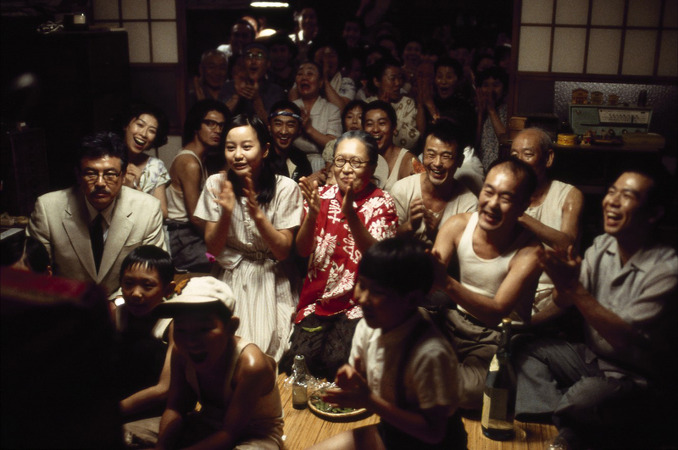
I’m going to try and not spoil, but there is a moment in the film where two of the kids have run off to do something without telling their parents. The two sets of adults are racked with fear and worry.
When the kids return, both families have very different reactions.
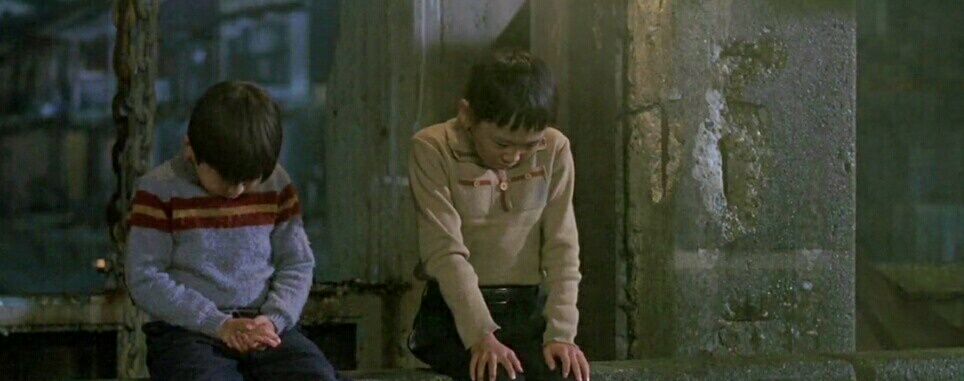
The newer “Father” frightfully slaps his kid before breaking down and hugging him lovingly. He doesn’t know how to control his feelings. These feelings are new. Being a dad is new.
The other Father is a real hot-head the entire film, and you expect to see him furious with the child. He witnesses the slap, and it acts as a slap to his own feelings. He softens and gives his child a playful tap on the head and hugs him, letting him know he was worried but is thankful he’s home safe.

There are little moments like this that run through the entire film that make this picture work. It brought me to tears more than once. If you let it, this little film will sneak in and soften you, too.
Another aspect I loved was the musical score by long time Yamazaki collaborator Naoki Sato. His score hits just the right tone that keeps things light and cheerful and lifts you up when you need it. I’m embedding it below.
If you live in the United States, this film might be a hard one to find and watch. It does not appear to be streaming or available on DVD or Blu-Ray in our region. I did a lot of digging and ended up ordering a DVD through eBay that is less than stellar in its transfer. It had subtitles and was good enough, though.

If you come across this movie I would highly recommend giving it a watch if you’re in the mood for some light-hearted family drama.
There is also a sequel to this movie, and it has a scene with Godzilla in it. It was made at least 10 years before Godzilla Minus One. Director Takashi Yamazaki certainly has been honing his craft for many years on the stories and things he loves.
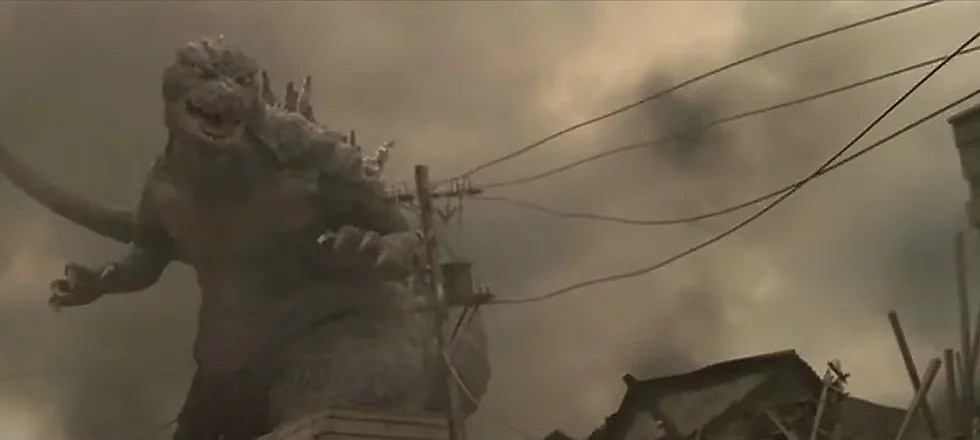
I’m sure I’ll write up a short review that film sometime soon. Hope you enjoy!

 Cinematic Point Of View
Leave a comment